
Favorite Products For Easy and Secure Bathtub Installations
Choose from trusted products that simplify installation and ensure a secure, long-lasting bathtub fit.
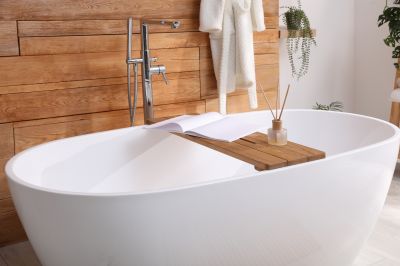 Installing a bathtub involves careful consideration of various products to ensure safety, durability, and aesthetic appeal. From the initial preparation of the space to the final touches, selecting the right components is essential for a successful installation. The process often begins with the choice of a suitable bathtub, which can vary widely in material, size, and style to match the bathroom's design and functional needs. Proper plumbing fixtures and sealing materials are equally important to prevent leaks and ensure long-lasting performance. Additionally, accessories such as grab bars, shower curtains, and non-slip mats can enhance safety and usability.
Top Overall Option
Universal Bathtub Support System
A versatile support system designed to accommodate various bathtub types, providing stability and ease of installation. It features adjustable framing, corrosion-resistant materials, and compatibility with standard plumbing fixtures, making it suitable for many bathroom configurations. This support system aims to simplify the installation process while ensuring a secure and durable setup.
Types of Products For Bathtub Installations
Bathtub Bases and Supports
Structural foundations that provide stability and leveling for different bathtub styles, including drop-in and alcove tubs.
Tub Surrounds and Enclosures
Panels and enclosures that protect walls and enhance aesthetics around the bathtub area.
Plumbing Fittings and Valves
Essential components for connecting water supply and drainage systems securely and efficiently.
Sealing and Caulking Products
Materials used to waterproof joints and prevent water seepage around the bathtub edges.
Shower Doors and Curtains
Enclosures that contain water spray and add privacy during bathing.
Grab Bars and Safety Accessories
Supportive fixtures that enhance safety for users with mobility concerns.
Non-slip Mats and Treads
Textured surfaces that reduce slipping hazards in wet areas.
Bathtub Trims and Decorative Moldings
Finishing touches that improve aesthetic appeal and conceal installation gaps.
Waterproof Sealants and Adhesives
Products designed to seal joints and bonds to prevent water damage.
Drain Assemblies
Components that facilitate efficient water drainage from the bathtub.
Support Brackets and Reinforcements
Additional hardware to reinforce the stability of the bathtub installation.
Bath Conversion Kits
Complete sets that allow conversion between different bathtub styles or sizes.
Popular Choices
Lightweight and versatile, acrylic tubs are widely used for their ease of installation and maintenance.
Durable and classic, cast iron tubs offer a sturdy option with excellent heat retention.
Stylish and flexible, these tubs can be placed anywhere in the bathroom with proper support.
Designed to be installed within a custom surround or deck, offering a seamless look.
Designed for installation in three-wall alcoves, maximizing space efficiency.
Space-saving options that fit into corner spaces, often with additional features.
Features for hydrotherapy and relaxation, often requiring specialized plumbing.
Vintage-style tubs that add character and charm to traditional bathroom designs.
Designed for accessibility, these tubs feature low thresholds and easy entry.
Larger, deeper tubs intended for relaxing baths, suitable for various installation types.
Made from sustainable materials, these options focus on resource efficiency.
High-end options with advanced features like chromatherapy and built-in speakers.
A critical aspect of bathtub installation is the support system, which includes sturdy framing and base options that can accommodate different types of tubs, whether drop-in, alcove, or freestanding. Plumbing connections must be carefully planned and executed, often requiring specialized fittings and valves to facilitate water flow and drainage. For those undertaking DIY projects or working with contractors, understanding the compatibility of various products can streamline the installation process and help avoid costly mistakes.
The selection of finishing touches, such as decorative trims, caulking, and waterproof sealants, can significantly impact the overall appearance and longevity of the bathtub setup. Proper ventilation and moisture control are also vital to prevent mold and water damage over time. Whether upgrading an existing bathroom or designing a new one, choosing high-quality, reliable products tailored to specific needs can contribute to a safe and functional bathing space for years to come.
Key Buying Considerations
- Determine the available space and measure the designated area accurately before selecting a tub.
- Consider the material of the bathtub for durability, maintenance, and aesthetic preferences.
- Evaluate the compatibility of plumbing fixtures and drainage systems with the chosen tub.
- Decide on the type of installation—whether it will be a drop-in, alcove, freestanding, or corner model.
- Assess safety features such as non-slip surfaces and grab bars, especially for accessible designs.
- Review the weight of the bathtub and ensure the flooring can support it, particularly for heavy materials like cast iron.
- Look into the installation complexity and whether professional help is recommended or required.
- Check for warranties or guarantees offered by the manufacturer to ensure product reliability.
- Consider additional accessories like shower doors, surrounds, and trims that complement the main tub.
- Evaluate water efficiency features, especially for larger or jetted tubs, to manage utility costs.
- Think about the style and finish that best matches the overall bathroom decor.
- Ensure the product complies with local building codes and regulations.
- Review customer feedback and ratings to gauge real-world performance and satisfaction.
- Plan for adequate ventilation and moisture control to prevent mold and water damage.
- Budget appropriately, factoring in installation costs, accessories, and future maintenance.